
Why Reading to Your Child Supports Their Emotional Development
Discover why reading to your child is more than just storytime. Learn how books can gently support emotional development, build empathy, and create calm, connected moments together.
3/29/20264 min read


There’s a lot of noise around parenting. Things we should be doing, things we could be doing better, things we worry we’re not doing enough of. But one of the most meaningful things you can do with your child is also one of the simplest. Sitting down together with a book.
It doesn’t look like much from the outside. It’s quiet, ordinary, easy to overlook. But those small moments of reading together are doing more than helping your child learn words. They’re helping them feel safe, understood, and connected to you.
And over time, they quietly shape how your child understands their emotions and the world around them.
It starts with connection
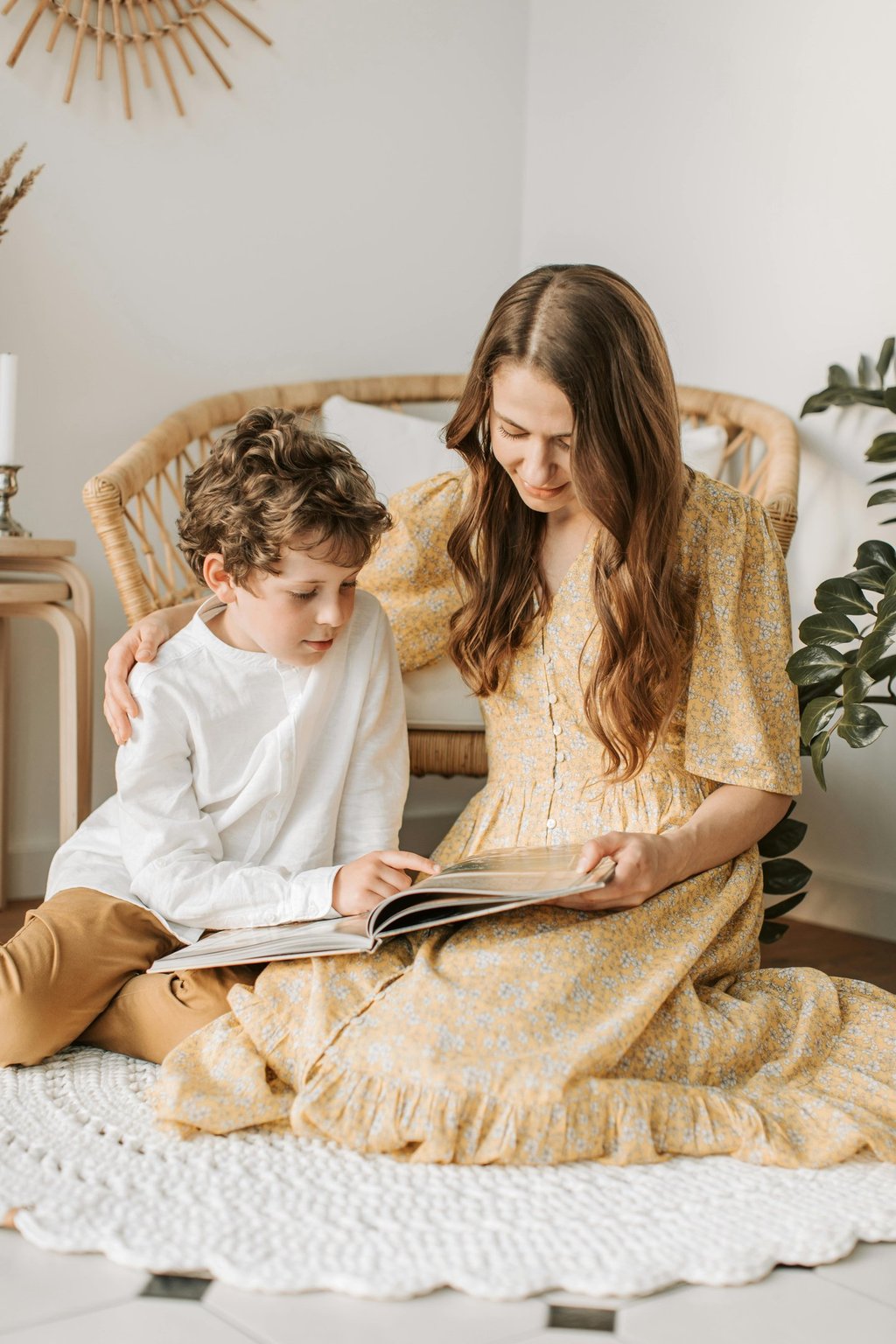
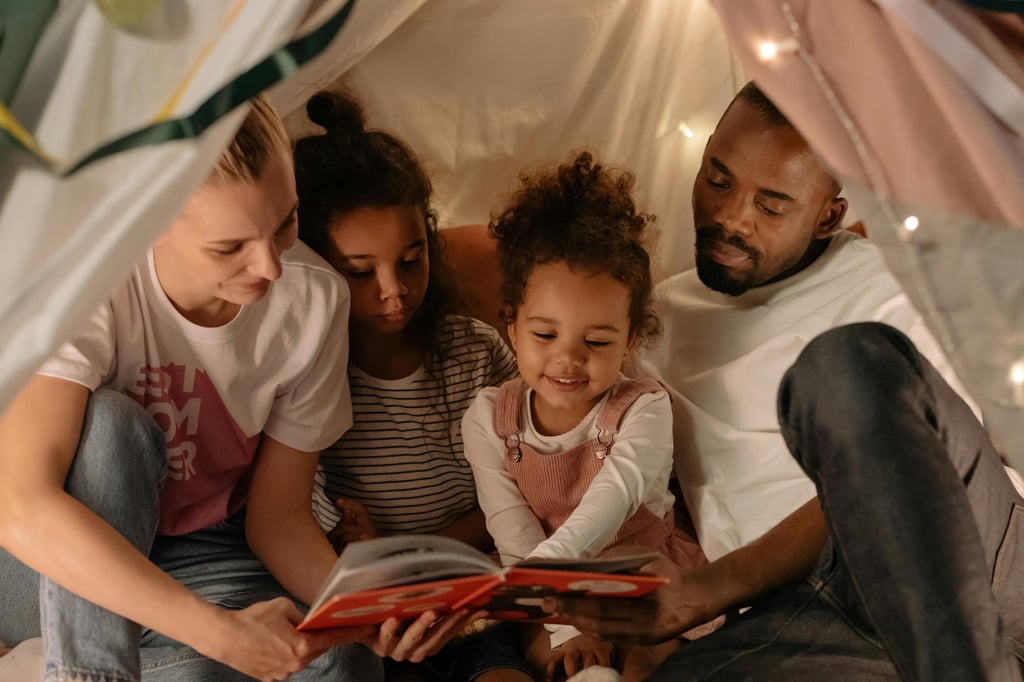
When you read with your child, you’re creating a pocket of time where they have your full attention. You’re close, there’s a rhythm to your voice, and everything slows down a little. That feeling matters more than we often realise. It’s part of what helps children feel secure. They begin to associate books with closeness and calm, especially when reading becomes part of a familiar routine like bedtime.
You might notice how naturally this pairs with things that already feel comforting. A soft glow from a nightlight, the background hum of white noise, their favourite blanket tucked under their arm. It all becomes part of the same feeling of winding down together and over time, your child understands that they can settle into a space that feels safe.


Stories give children the language for their feelings
One of the hardest parts of early childhood is that children feel so much, but don’t always have the words to explain it and stories help to bridge that gap.
When a character feels nervous, left out, excited, or frustrated, your child starts to recognise those emotions in a way that feels a little more manageable. Often it’s just a passing comment that raises their awareness, something simple like noticing how a character might be feeling.
Those moments build over time. Slowly, your child begins to name feelings, understand them, and realise they’re not alone in having them.
Books like the Oscar, Kody and Cleo Collection are designed with this in mind. The stories open the door, and the prompts at the end give you an easy way to keep the conversation going without it feeling forced.
Some of the best conversations with children don’t happen when we ask direct questions. They happen when there’s something else to focus on, and because the attention is on the story, children often feel more relaxed. They’ll make comments, ask questions, or bring up something from their own day without even realising they’re doing it.
Those moments are easy to miss, but they’re where so much of the learning happens.
They start to see the world through other eyes
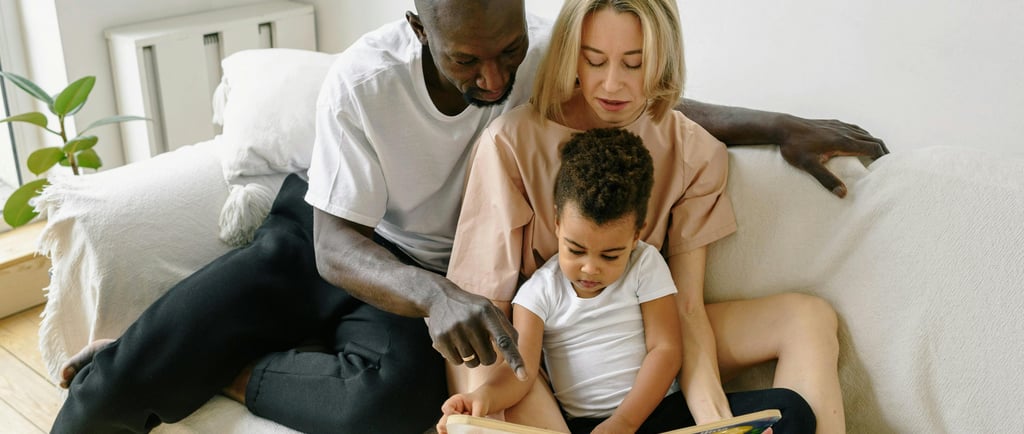
As you read more together, something quite subtle starts to shift. Your child begins to realise that other people have their own feelings, thoughts, and experiences too. At first, it might look small. They notice when a character feels sad, or when something seems unfair. They might point it out, or just sit with it quietly.
You might find yourself pausing on a page and saying something like, “That didn’t feel very kind,” or “I think they felt a bit left out there.” You are gently guiding how your child interprets what they’re seeing and over time, this is how empathy begins to grow.
Children start to connect the dots between actions and feelings. They begin to understand that what they do can affect someone else, and that other people’s reactions make sense too. It doesn’t happen overnight, and it doesn’t come from one big conversation. It comes from seeing these patterns again and again in a safe, familiar space.

Reading becomes a quiet tool for regulation
There’s something about reading that naturally brings everything down a level. After a busy day, when there’s been a lot of noise, movement, or big feelings, reading gives your child a chance to come back to a calmer baseline.
The pace slows. Your voice softens. The outside world fades into the background for a few minutes. Even the act of turning pages creates a gentle rhythm that children seem to settle into without much effort. They’re learning, in their own way, how to settle their body and emotions, with you right there alongside them.
Over time, reading becomes part of that rhythm. Not just a story before bed, but a familiar, steady space your child can return to when they need to feel grounded. And the beauty of it is that it happens naturally, without you needing to explain it or turn it into a lesson.


It doesn’t have to look perfect
Some days, reading together will feel calm and easy. Other days it will be interrupted, rushed, or a bit chaotic. It all counts. You don’t need to turn it into a perfect routine or get through every page. What matters is that you keep coming back to it. The consistency is what builds the connection.
If you ever find yourself wondering whether you’re doing enough, it’s worth coming back to this.
Sitting together.
Sharing a story.
Letting that time be what it is.
You’re not just reading a book. You’re helping your child make sense of their feelings, build empathy, and feel secure in your presence. And that’s something they carry with them long after the story ends.
This post may contain affiliate links.