
Raising Resilient Little Humans With Strong Emotional Literacy
Emotional resilience grows through connection, storytelling, modelling calm responses, and play. This gentle guide shares practical ways to support children to build emotional literacy at home.
3/8/20264 min read


When we think about what we want for our children, most of us don’t picture perfect manners or academic success first. We picture children who feel safe in themselves, who can cope when things feel hard, who know how to connect with others and ask for help when they need it.
That’s the beauty of social emotional literacy.
Social emotional literacy is the ability to understand feelings, talk about them, and respond to them in healthy ways. It’s noticing when you feel sad or frustrated, and recognising when someone else might be upset. It’s learning that big feelings are allowed, even when certain behaviours are not.
And the wonderful thing is, this learning starts long before school. It starts at home, in everyday moments that often feel small or unimportant at the time. So many parents worry they aren’t doing enough in this area. But the truth is, you’re probably already teaching these skills without realising it.
Every time you name a feeling for your child, you’re building emotional language. When you say, “That felt really frustrating, didn’t it?” instead of rushing to fix the problem, you’re showing them that emotions are safe to talk about. When you stay close during a meltdown, even when it’s hard, you’re teaching them that connection doesn’t disappear when feelings get big.
Young children experience emotions in their bodies before they can understand them with words. A toddler who hits, screams, or collapses on the floor isn’t being naughty. They’re communicating the only way they know how. Teaching social emotional literacy helps bridge that gap between feeling and expression.


Exploring Emotions Through Stories
One of the simplest and most powerful ways to support this learning is through stories. When children see characters experience emotions that feel familiar, they begin to make sense of their own inner world. Stories allow them to explore feelings safely, from the comfort of your lap. They learn that others feel scared, excited, jealous, and brave too. That they’re not alone in their feelings.
Stories that gently explore these emotions and everyday challenges are especially powerful at this age, which is why the Oscar, Kody and Cleo Inner Strength Series is designed to help children recognise feelings, build empathy, and feel understood through familiar situations. These books include gentle conversation prompts at the end so parents can talk about feelings with their child in a way that feels natural and pressure free, not like a lesson. Over time, these small conversations build emotional awareness naturally.
Role-Modelling Behaviours
Another important part of social emotional literacy is modelling. Children learn far more from what we do than what we say. When they see you pause, breathe, and respond calmly to stress, they learn that feelings can be managed. When you apologise after losing your patience, you teach them accountability and repair.
This doesn’t mean you need to be calm all the time. It means letting your child see that emotions happen and that we can work through them together. For some children, having a familiar comfort object nearby during emotional moments can help their body feel safe and supported while they learn how to calm themselves.


Practising Through Play
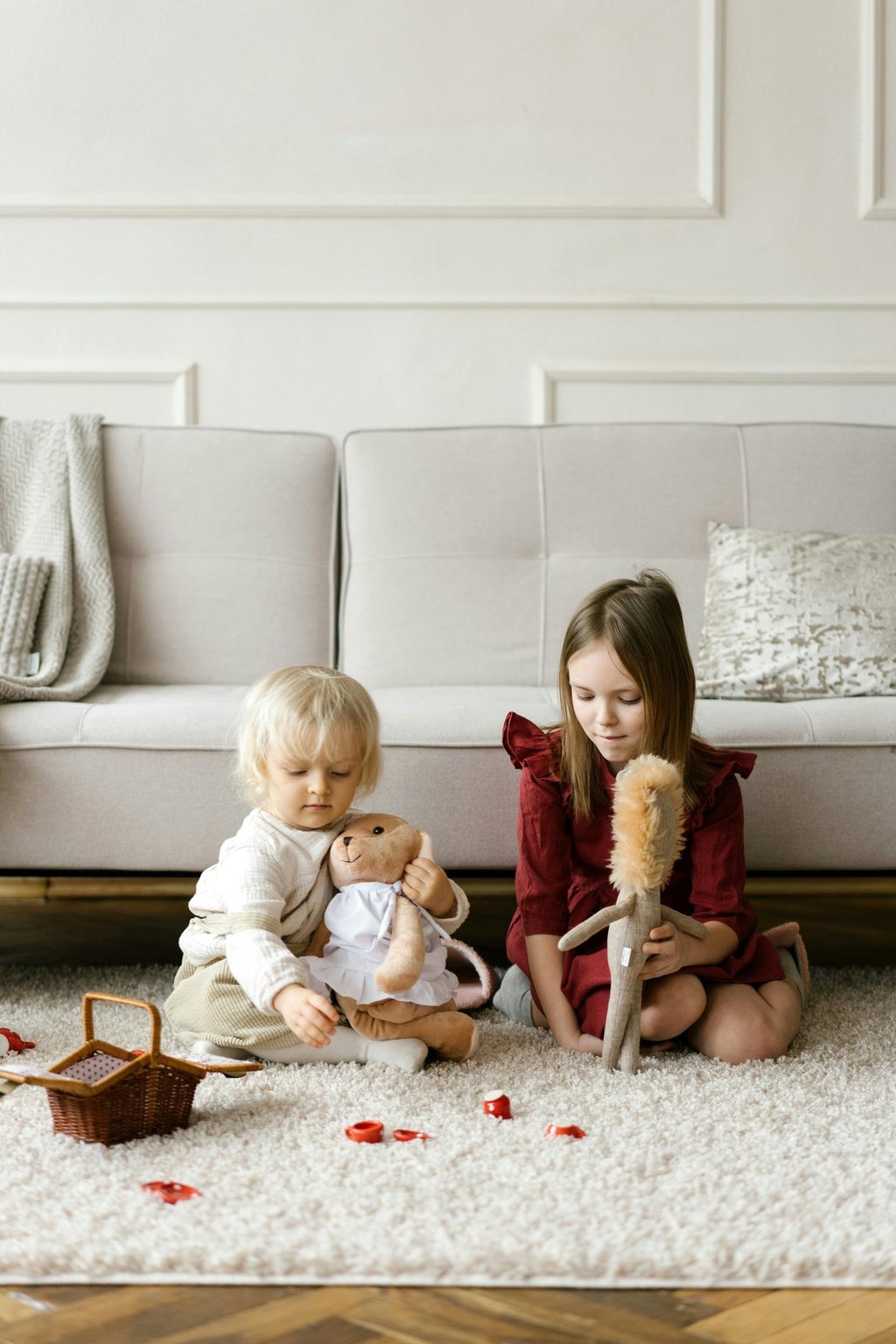
Play also has a huge role in social emotional learning. Through imaginative play, children practise social scenarios, try out different roles, and explore empathy. A teddy that feels sad or a doll that needs comfort gives your child a safe way to rehearse caring responses. These moments may look like simple play, but they’re building emotional skills that will last a lifetime.

Progress in social emotional literacy is slow and layered. Teaching isn’t about one big conversation or a perfect parenting moment, but about the small, repeated ways you show up with consistency and compassion.
If your child is having big emotional outbursts, it doesn’t mean you’re failing. It simply means they’re still learning. Emotional regulation develops over time, and your steady presence, naming feelings, offering empathy, and repairing after hard moments builds the foundation for resilience, even when it doesn’t feel like it in the moment.
You’re not just getting through the day. You’re teaching your child how to be human.
And that matters more than we often realise.




This post may contain affiliate links.